In this episode, Ean talks about the importance of keeping a food journal and why not keeping one may be the key to losing those last 10-15 pounds.

In this episode, Ean talks about the importance of keeping a food journal and why not keeping one may be the key to losing those last 10-15 pounds.

One thing that people overlook when they are trying to lose weight is the importance of keeping a food journal. In fact, I highly recommend that if you are serious about losing weight, a food journal is a must. In other words it is not an option! Why is this so important? Why do so many people benefit from writing down what they eat? Here are three reasons:
It Keeps You From Cheating (As Much)

Even the best of us cheat from time to time. I’m not talking about the regularly scheduled cheat meal or carb-nite. I’m taking about those times when you eat something (or a lot of something) you know you shouldn’t. Food journaling can help with this problem.
The objective of a food journal is to write down everything you eat and when you eat it. When you keep track of what you eat in this way, you really have to think twice about what you put in your mouth.
Why is that? Well, One of the reasons we cheat is due to the fact that there is an immediate pleasurable experience. But that is not all. For many people, they do not have to face any negative consequence for their bad behavior right away. They can eat that brownie and not think about it for some time.
However, a food journal provides an immediate negative consequence. It is much like a health coach or an accountability partner that you have to confess to right away. If you had to confess every time you ate something bad for you, and you had to confess it immediately, you most likely would not do it.
Even though no else has to see your food journal, simply having one is still a deterrent for most. The very fact that you have to write your bad behavior down creates an objective reality to the behavior that cannot be ignored. This, in and of itself, is enough of an immediate negative consequence. As a result, it reduces cheating.
It Will Keep You Form Over Eating

Even if you are only eating the right food, the amount of food you eat counts. No, I’m not promoting the calories in calories out myth. But an over abundance of nutrients in your system has to be dealt with. Often your body will eliminate it though waste or store it to fat. Not only this, but there are bad hormonal reactions to stuffing yourself. How much you eat does count. Food journaling helps regulate your overall intake.
The truth is that your overall food intake can get away from you fairly quickly. For example, it’s pretty easy to have four eggs for breakfast instead of two, and a double cheese burger (lettuce wrap, of course) instead of a single; a little more chicken than necessary at dinner, in addition to that bag of almonds you ate for snack. Please do not misunderstand me. All this food is fine if you are really that hungry. However, many people do in fact eat well past satiety.
Overeating becomes more of a problem when you are trying to lose those last 10-15 pounds. At the beginning of your weight-loss journey, simply switching to the right foods will often be enough to lose a significant amount of weight. But if you have stalled out on your progress, the amount of food you eat is often the issue. Food journaling tracks your overall caloric intake. When you write down what you have eaten, you can objectively evaluate what you may need to cut out.
It Keeps You Honest With Yourself

This last point is really a combination of the two points listed above. But it is important to note that when we are not losing weight we expect, it is often due to the fact that we are deceiving ourselves. We lie to ourselves about what we have eaten and how much we have eaten.
The fact of the matter is most people who do not keep a food journal cannot recount with accuracy what they ate. To complicate the matter it’s easy for us to lie to ourselves about these issues. This becomes a big problem when a person is not getting the results they are expecting. Wondering what went wrong or what is going wrong becomes common.
A food journal helps in keeping one from self delusion. After all, there is (or at least there should be) an objective record. This record keeps you honest.
In closing, there is only one question you need to ask yourself: Do you want to lose weight? If you do, then a food journal will tremendous help with your goal.

A new episode of A Mind For Fitness is now available. Are you planning on cheating a few extra days during this holiday season? If you are, there are some things that you can do in order to minimize weight gain. Listen to find out.
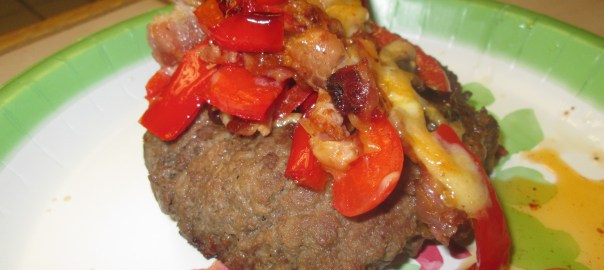
Have you ever wondered what the difference is between the Low-carb, Ketogenic, and Paleo diets. Sometimes it is difficult to tell. In fact, when explaining the the various aspects of these diets, these three diets in particular overlap significantly.
This overlap hit home for me when on one occasion a friend of mine was explaining his diet. He was telling me all the foods he could and could not eat. He mentioned that he could meet, fish, veggies, and some fruit. He said he needed to stay away from grains, sugar, and a few other foods.
Upon his explanation, I thought this was simply a low-carb diet. He was trying to control insulin in an attempt to shred some unwanted weight. However, this was not simply a low-carb diet. Later when we were having lunch, I ordered a salad with Ranch dressing. On the salad was some cheese. My friend said that you cannot have ranch dressing or cheese on this diet.
This shocked me. The serving of ranch on my salad had no more than about four carbs. The cheese was probably about a two carb serving. This was not going to effect my blood sugar! This was not going to rise my insulin! So what was the problem?
The problem was that my friend was not simply on a low-carb diet. Nor was he was recommending a low-carb diet per-se. In fact, his diet was more-or-less incidentally low-carb. He was on a Paleo diet. That was when I realized that there was a difference between low-carb and Paleo. Later, I realized that there is also a difference between a Ketogenic diet and these other diets as well.
Another complication in distinguishing between these three diets is the fact that celebrity proponents of these diets run in the same circles. For example Jimmy Moore, Able James, Dave Asprey, Robb Wolf, and others will often speak at the same conferences as well as appear on each other’s podcasts.
So what is the difference and is that difference significant?
What’s the Focus, What’s Incidental?
The difference comes down to two things The first is what is the main focus of these diets. Or to put it another way, what is the driving theory behind their dietary protocol.
Second has to do with what is incidental. In other words, what are the results of the theory and how do those results workout in the dietary protocol.
Before I break this down in each diet, let me say that low-carb and Ketogenic have much more in common in their focus than Paleo. Because of that, I will start with Paleo.
Paleo
The driving force behind Paleo is the idea that the diet of original man is optimal for health. Therefore, there is a strong emphasis on meat, fat, and organic, non- processed food. Original man did not get their food from a factory. They got it from hunting and gathering. Fruit and vegetables could only be eaten in season and therefore sparingly.
According to this view, original men were not farmers so grains and other farming byproducts are not part of this diet.
So, is this diet low-carb and/or ketogenic? Yes, but only incidentally so. In other words, lo- carb and ketoses is not focus but the byproduct. For example, in the winter, original man (in many regions) would not have access to fruit and vegetables. Therefore, they would have eaten meat and fat which would have lowered their insulin and put them in ketoses for a large segment of the year. The focus is eat like original man and as a result you will (at least at times) be in a state of ketoses and have steady blood sugar.
Keto and Low-Carb
Again these two are more closely related because their focus and driving theory are almost identical. Also, their byproducts have much in common. However, that said, they are not completely the same.
The main focus of a Ketogenic diet is to achieve ketoses pure and simple. But in order to achieve ketoses you must eat very, very few carbs which will keep your insulin at bay. Insulin (with exception of carb re-feedings) is the enemy because it will keep you out of ketoses.
In a low-carb diet, insulin is also the enemy not necessarily because it will keep you out of ketoses but because insulin is a hormone that stores fat. You keep this hormone at bay by avoiding high-carbohydrate food.
As a result of this, these diets are both high in fat and moderate in protein and low in sugar and foods that turn to sugar in the body. However, for the most part a Ketogenic diet will slightly put more emphasis on fat than a Low-carb diet. But there is so much similarity that where you find the emphasis really depends on the author you are reading.
Things Get Tricky and Lines Get Blured
Having a diet high in fat, moderate in protein, and low in sugar is where these diets overlap with Paleo. However, it overlaps with Paleo it is not yet incidentally Paleo. These kinds of foods are essential to both the Paleo and Keto communities. Where then do these become incidentally Paleo?
This is where things get a bit complex. Paleo will always overlap with low-carb food and be incidentally ketogenic at times. But Ketogeinic and low-carb diets do not have to be incidentally Paleo. This is due to the fact that being ketogenic and low-carb does not necessitate the belief that “original man’s diet” is optimal. Nor does it necessitate that food must come from an organic source.
To give an example, when I had my salad with ranch and cheese I was being low-carb, and given my overall low-carb count of the day, I was also being ketogenic. However, I was not being Paleo because I was eating that which original man would not have eaten. My friend, on the other hand, who also had a salad but without cheese and cream based dressing was being Paleo as well and low-carb.
So when do Low-carb and Ketogenic diets become incidentally Paleo? The answer comes in what a particular dieter believes about original man and from where he decides to get his food. When a low-carber and/or a ketoer believes that original man had the best diet they have also become Paleo. If a low carber, ketoer decides that they will only eat organic food (for the most part) they have become incidentally Paleo.
Can Someone Be All Three?
The answer to the above question is yes with qualifications. There are many who believe that original man’s diet is the best option for health, who eat only organic food, and also actively try to achieve a state of ketoses. These people often consider themselves both Paleo and Keto (incidently low-carb). And they are correct in a sense. However, one view will often override the other.
For example, there has been much conversation about tubers in the Paleo community. Some believe they are OK to eat and some do not. But let’s say one believes that original man did eat tubers. If this person believes this, but is trying to get into ketoses, he will avoid them. His desire to gain ketoses has dictated his diet.
Concluding Thoughts
As anyone can see, where these diets overlap and where these diets differ from each other is a complex issue. There are many who are Keto friendly, but Paleo in their overall outlook on health and vice-versa. This complexity gives rise to the fact that most people in these communities will share information and speak at each others events and podcasts.
I hope this helped. If it did please share this on your favorite social media as well as leave a comment.

A new episode of A Mind For Fitness Podcast is now up. In the podcast, I issue a the “Fit For Christmas” challenge. Hope you enjoy!
So it’s 67 days until Christmas; what are your plans? For many years, what I use to do (back when I was overweight), is say something like this, “It’s the holidays! We have Oct. 31, Thanksgiving, Christmas Eve, Christmas, New Years Eve, and New Years Day. There is no point in getting in shape now, I’ll just weight for the new year.”
But guess what? Year after year new year would come and I would make some progress, but eventually I fall back into old habits. The next holiday season would come around once again and I was just as fat and miserable as I was before. In some cases I was more unhappy.
Does this sound familiar? If it does, then the Fit For Christmas Challenge is for you! This challenge starts now! It is designed to break old habits and old programs you’ve been running in your head your whole life. How are we doing this? Step one is by starting at the beginning of the holiday season rather than the end. You’ve seen what happens when you wait. Don’t repeat the same process–try something new!
The Plan
This plan is based on two basic concepts that everyone knows–Diet and Exercise.
Diet
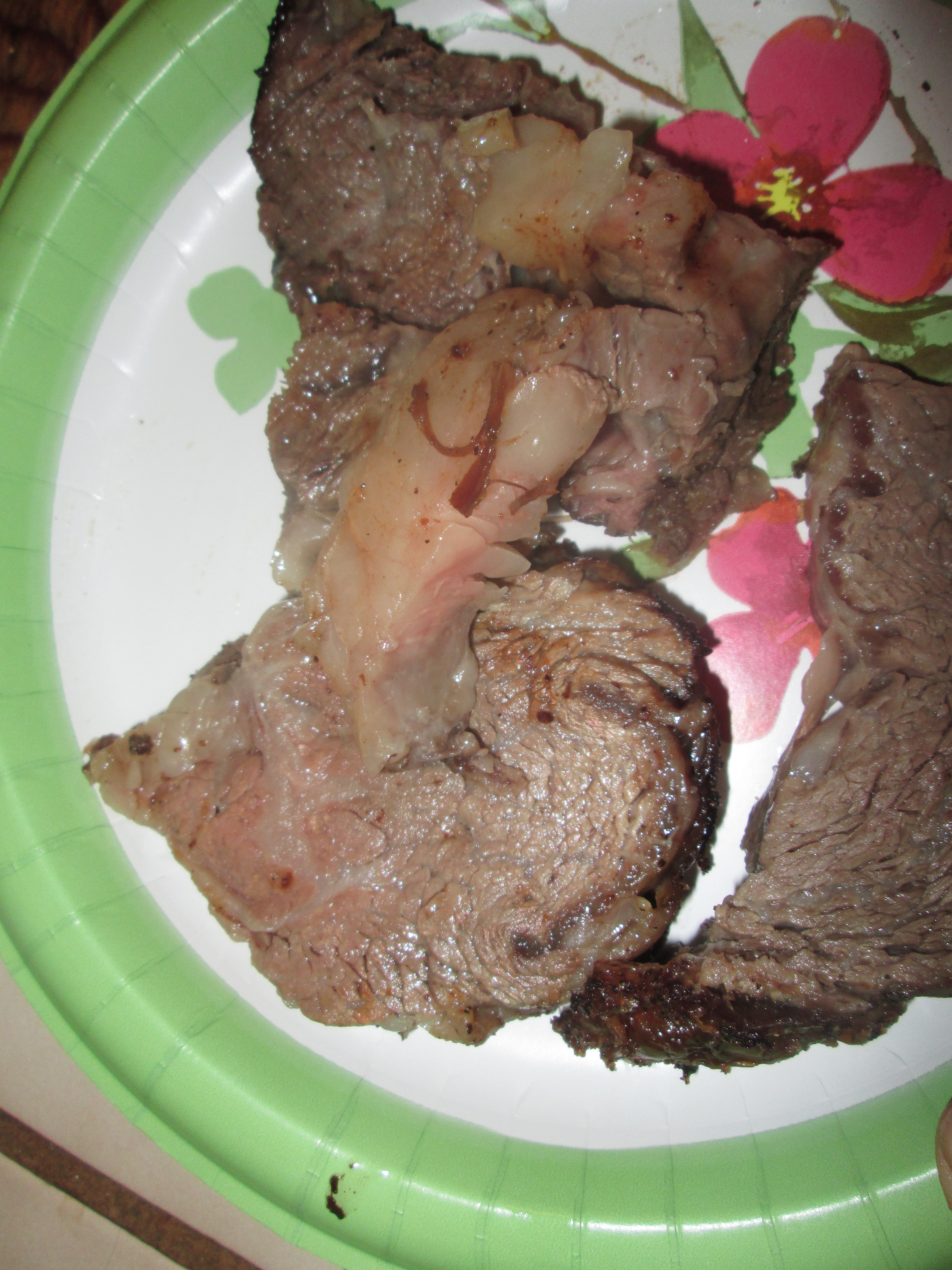
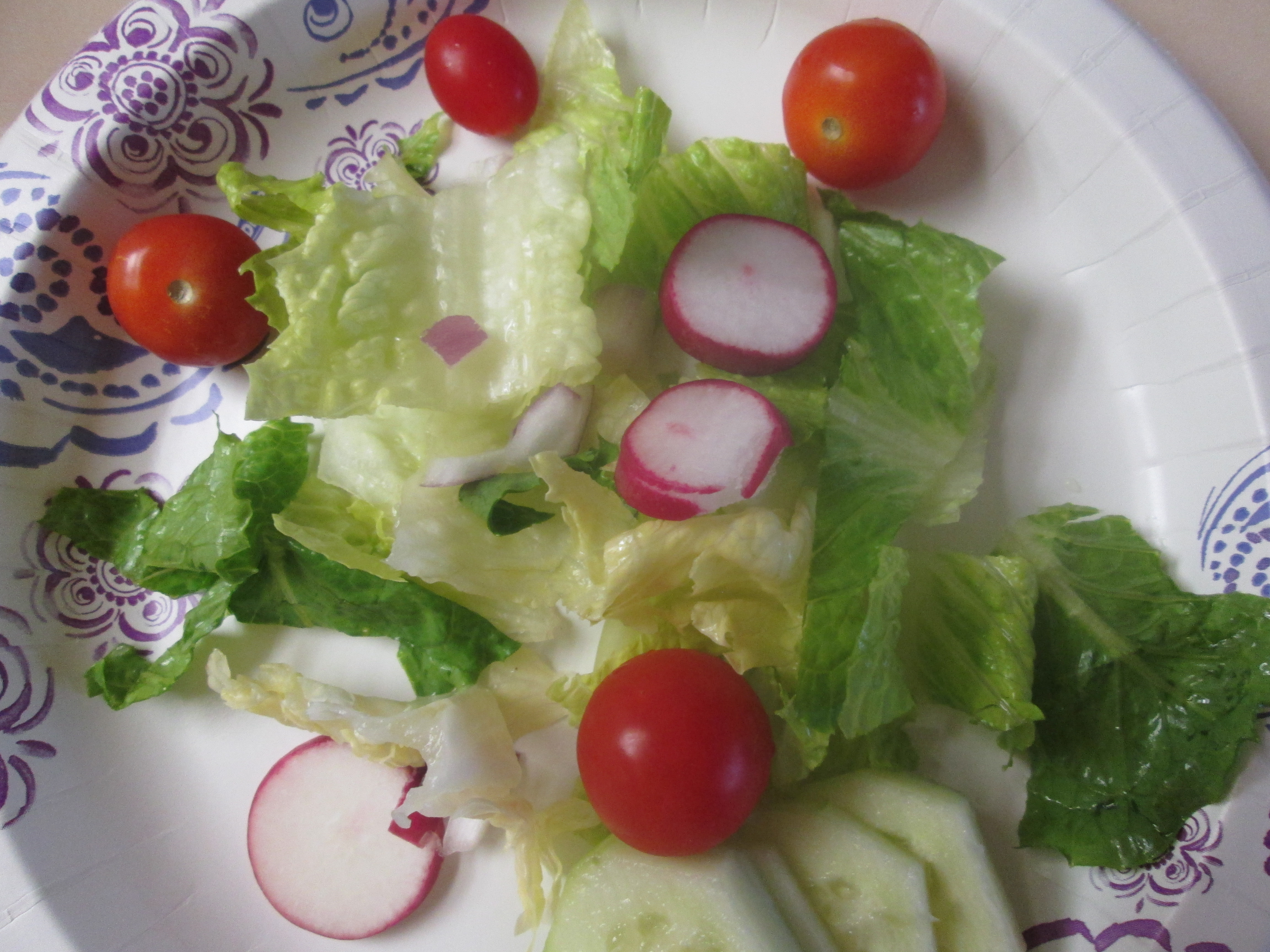
Here is the plan. First you must limit your carb intake to between 25 and 35 a day. It is not important right now where those carbs come form, just as long as you do not exceed 35 a day. This starts now!
Oct. 31 will be your first cheat day. You will not start this cheat day until after 1:00 PM, and it can last until you go to sleep.
The first week of November you will need to back to limiting your carbs to 25-35 a day. However, after the fist week, you can bump your carbs to 50. But you must never go beyond 50!
Your next cheat day will be Thanksgiving! And if you have been good, go a head and take that Friday as well.
After Thanksgiving, go back to 25-35 carbs a day for one one week. After that week, you can have up to 50 grams once more.
Your final cheat will be Christmas Eve and Christmas. Start on Christmas Eve as late as you possibly can, then cheat for 24 hours.
After Christmas, you will have to re-evaluate and see what’s next and what is right for you.
BTW, you do not have to count any carbs that come from green vegetables.
Exercise Plan
This is where there is some flexibility. In other words, it is up to you to choose a plan. However, you must choose a plan not make one up from day to day. For example, I’ve just started Insanity.

Other plans may include P90X, or most anything from Beach Body is good.


If however, you cannot afford these or you don’t have them and need to start now, you can go down to wal-mart, target…. and pick up something like this:
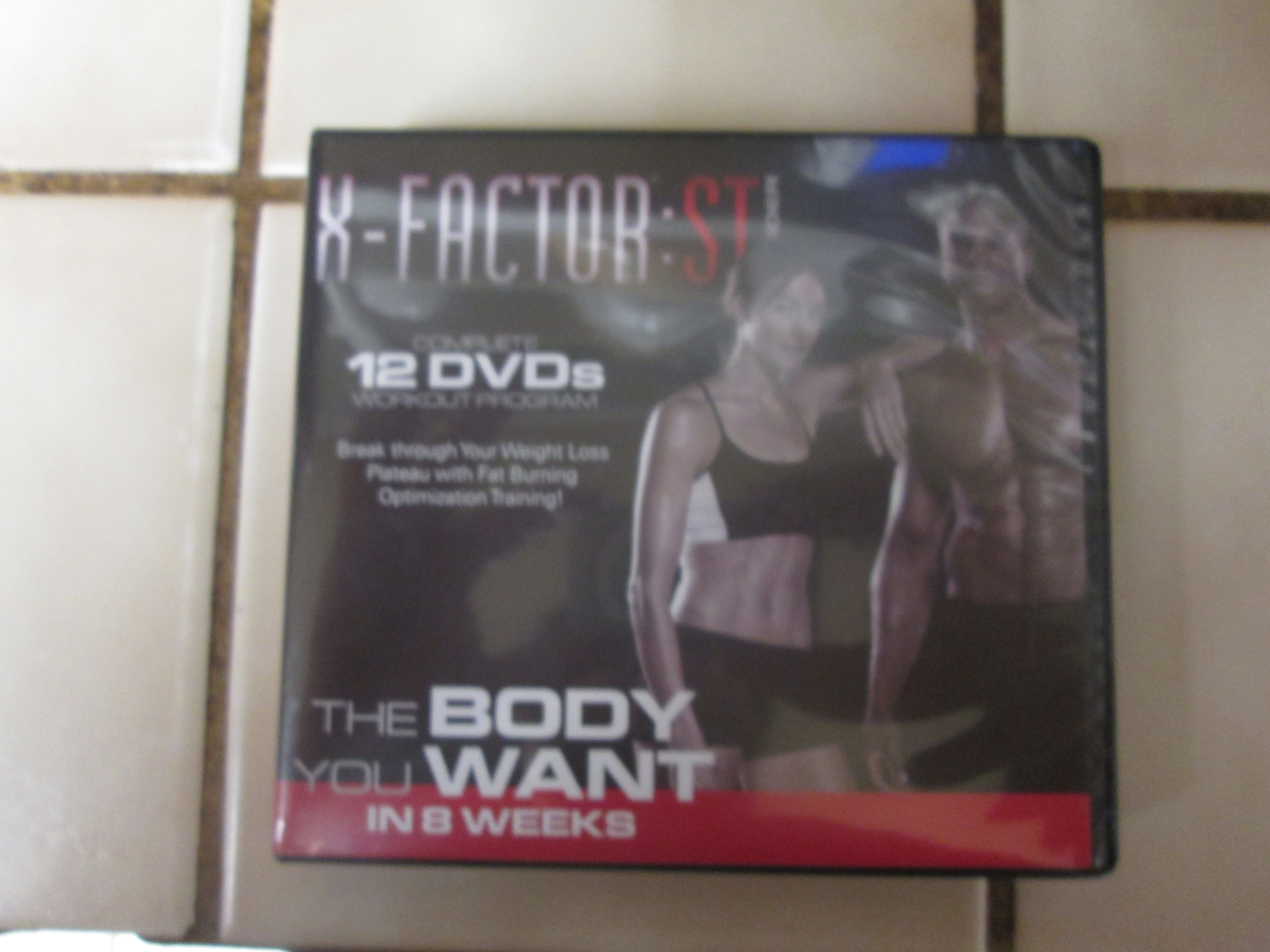
I cannot remember how much it was, but It was under $30.
Whatever you choose, you must workout 6 days a week.
A Few Things To Keep In Mind
First is that on your cheat days it is important to work out the day of and the day after. No exceptions!
It’s fine if you choose to work out twice a day to get better results; however, you do not need to do this.
And if you decide to go to the gym, create a plan and go at least 6 days a week.
Finally, monitor your body. If you are working out too much and need some extra carbs that’s OK. However, get them from fruit and vegetables. And make sure this is a need and not a craving.
Finally
I would love to hear about the workout plan you chose. Also, make sure to take some before pictures so you can monitor your progress. Best wishes and stay strong!

A new episode of A Mind For Fitness Podcast is now available. In this episode, I discuss going gluten free and one key aspect that is absolutely necessary in order to lose weight.

Consulting the scale is an easy way to monitor your weight loss progress. You step on it and if you weigh less than the last time you stepped on the scale, then you have lost weight–right?
The truth is that this way of tracking your weight loss is great when you are first starting to get serious about your health. However, when you are working on the last few pounds of fat, the scale is not the ultimate indicator in how much fat you are losing. In fact, it can be deceptive.
So what are some reasons the scale can be deceptive? There are two main reasons that I will address in this blog. One is water weight and the other is muscle.
First off there is water retention. Simply put, this is when you store exes amounts of water in your cells. This can happen for a verity of reasons I will not go into here. While every body is different, the average amount of weight you can gain though water is about five pounds in a day. This means that you can gain or lose five pounds in one day as a result of retaining or releasing water.
Muscle is another major factor in why the scale can be deceptive. The reason for this is due to the fact that muscle weighs more than fat. One leader of fat weighs about 2 pounds while one leader of muscle weighs about 2 1/2 pounds. If you are lifting as a primary form of exercise the rise in weight on the scale is probably due to muscle gain.
It can be frustrating when you are faithful to your diet, and working out, but the scale moves up. Remember it is not weight that you are ultimately trying to lose but fat. Instead of relying on the scale take measurements. Another great way of tracking your progress is by clothing. Get some clothes that are tight and see if they loosen up.
So if you are sticking to your diet and working out, then don’t sweat it if the scale moves up a few pounds. It could very well be water weight or muscle gain.

A while back, I wrote a post on eating with your stomach. In that post, I talked about the importance of paying attention to how full you are while you are eating to avoid over consumption.
The way you monitor how full you are is by eating slowly. However, when you eat slowly there is also an added benefit–tasting your food. In other words, not only are you able to monitor how full you are, you also get to enjoy your food.
People are often supersized by how quickly they get full when they eat slowly and pay attention to their stomach. Likewise, it is shocking what you actually taste when you eat with the intention of enjoying your food.
What is the reason for the shock? It is due to the fact that often food you think you like turns out to taste gross.
When we eat too fast, not only do we overeat, but often times we only get the rush of salt and/or sugar (and other flavors) over our tongues. Because of this, we often do not recognize it when we do not like something.
This hit home for me some years ago when I decided to eat slowly and enjoy my food. At the time I was following the Paul McKenna diet. I went to one of my favorite restaurant and ordered the stake fries. But instead of gobbling them down I attempted to enjoy every bite. I did not succeed in that attempt. They were horrible. As a result, I have not eaten them since.
On the flip side, there are now many foods that I now enjoy that I did not before. For example, baby carrots are very sweet. By slowing down and enjoying the flavor, eating these items is a great way to curb your sweet tooth.
In closing, I encourage the reader to try it for themselves. You will be supersized and what you do and do not like.

I have seen many people fail on diets for a verity of reasons. However, recently I have noticed an attitude or belief that I have not recognized in the past. Since I have noticed this belief, I have come to see it in many. I have even come to recognize that I have fell into this trap from time to time.
So what is this belief? It is simply this: That adhering to part of a diet should give an individual part of the results of that diet. In practical terms it looks something like this. A person starts a low-carb diet. After a few weeks he notices that he is not losing anything. However, upon review, he realizes that he is really only adhering to about half or three quarters of the diet. He thinks to himself (and here is where the poor belief system comes into play), “I should be losing something. I know I’m not following the diet perfectly but I am following about 75% of it. I should be losing something–shouldn’t I?” Can you relate to this story? I know I can.
To complicate things, perhaps you have seen a friend who needs to lose a some weight and got results by cutting back just a bit on their carb intake. The question, then, needs to be asked: Why does following part of diet work for some and not others? The answer to this lies in what kind of body style one has and how much one needs to lose.
For example, someone with a bean-pole body style who has only 20 pounds to lose can see great results from only following part of a diet. But, even a bean-pole who has 50 pounds to lose is going to have to do better than 50 or even 70% of a diet.
However, for those of us who put on weight easily and have more than 25 pounds to lose, we need to be super strict on the low-carb protocol particularly at the beginning. Why is this? Simply put, doing 50% or even 75% of a diet is not enough to reset your fat burning hormones.
The truth is you need 10 days to 2 weeks in order to down regulate your fat storing hormones and up regulate your fat burning ones. So, if you are strict for three days, but on that forth day you eat a meal that spikes your insulin levels, you are not going to lose weight. If you repeat this process for a few weeks, you might get discouraged.
Fixing this is a matter of being honest with yourself. Are you the type of a person who puts on weight easily? Do you have more than 20 pounds to lose? Are you just starting out on a low-carb diet? If any or all three of these are true, then you need to be as strict as possible. The results will be worth it?
 Advanced Weight Loss Resources