Why negative self talk is so damaging to your weight loss goals and what you can do to fix it, next on A Mind For Fitness Podcast!
Why negative self talk is so damaging to your weight loss goals and what you can do to fix it, next on A Mind For Fitness Podcast!

A new episode of A Mind For Fitness is now available. Are you planning on cheating a few extra days during this holiday season? If you are, there are some things that you can do in order to minimize weight gain. Listen to find out.

A new episode of A Mind For Fitness Podcast is now up. In the podcast, I issue a the “Fit For Christmas” challenge. Hope you enjoy!

A new episode of A Mind For Fitness Podcast is now available. In this episode, I discuss going gluten free and one key aspect that is absolutely necessary in order to lose weight.

Consulting the scale is an easy way to monitor your weight loss progress. You step on it and if you weigh less than the last time you stepped on the scale, then you have lost weight–right?
The truth is that this way of tracking your weight loss is great when you are first starting to get serious about your health. However, when you are working on the last few pounds of fat, the scale is not the ultimate indicator in how much fat you are losing. In fact, it can be deceptive.
So what are some reasons the scale can be deceptive? There are two main reasons that I will address in this blog. One is water weight and the other is muscle.
First off there is water retention. Simply put, this is when you store exes amounts of water in your cells. This can happen for a verity of reasons I will not go into here. While every body is different, the average amount of weight you can gain though water is about five pounds in a day. This means that you can gain or lose five pounds in one day as a result of retaining or releasing water.
Muscle is another major factor in why the scale can be deceptive. The reason for this is due to the fact that muscle weighs more than fat. One leader of fat weighs about 2 pounds while one leader of muscle weighs about 2 1/2 pounds. If you are lifting as a primary form of exercise the rise in weight on the scale is probably due to muscle gain.
It can be frustrating when you are faithful to your diet, and working out, but the scale moves up. Remember it is not weight that you are ultimately trying to lose but fat. Instead of relying on the scale take measurements. Another great way of tracking your progress is by clothing. Get some clothes that are tight and see if they loosen up.
So if you are sticking to your diet and working out, then don’t sweat it if the scale moves up a few pounds. It could very well be water weight or muscle gain.

A new episode of A Mind For Fitness Podcast. In this episode, I talk about the difficulty of braking bad habits and creating new ones and what you can do about it. Enjoy!

A while back, I wrote a post on eating with your stomach. In that post, I talked about the importance of paying attention to how full you are while you are eating to avoid over consumption.
The way you monitor how full you are is by eating slowly. However, when you eat slowly there is also an added benefit–tasting your food. In other words, not only are you able to monitor how full you are, you also get to enjoy your food.
People are often supersized by how quickly they get full when they eat slowly and pay attention to their stomach. Likewise, it is shocking what you actually taste when you eat with the intention of enjoying your food.
What is the reason for the shock? It is due to the fact that often food you think you like turns out to taste gross.
When we eat too fast, not only do we overeat, but often times we only get the rush of salt and/or sugar (and other flavors) over our tongues. Because of this, we often do not recognize it when we do not like something.
This hit home for me some years ago when I decided to eat slowly and enjoy my food. At the time I was following the Paul McKenna diet. I went to one of my favorite restaurant and ordered the stake fries. But instead of gobbling them down I attempted to enjoy every bite. I did not succeed in that attempt. They were horrible. As a result, I have not eaten them since.
On the flip side, there are now many foods that I now enjoy that I did not before. For example, baby carrots are very sweet. By slowing down and enjoying the flavor, eating these items is a great way to curb your sweet tooth.
In closing, I encourage the reader to try it for themselves. You will be supersized and what you do and do not like.
I have seen many people fail on diets for a verity of reasons. However, recently I have noticed an attitude or belief that I have not recognized in the past. Since I have noticed this belief, I have come to see it in many. I have even come to recognize that I have fell into this trap from time to time.
So what is this belief? It is simply this: That adhering to part of a diet should give an individual part of the results of that diet. In practical terms it looks something like this. A person starts a low-carb diet. After a few weeks he notices that he is not losing anything. However, upon review, he realizes that he is really only adhering to about half or three quarters of the diet. He thinks to himself (and here is where the poor belief system comes into play), “I should be losing something. I know I’m not following the diet perfectly but I am following about 75% of it. I should be losing something–shouldn’t I?” Can you relate to this story? I know I can.
To complicate things, perhaps you have seen a friend who needs to lose a some weight and got results by cutting back just a bit on their carb intake. The question, then, needs to be asked: Why does following part of diet work for some and not others? The answer to this lies in what kind of body style one has and how much one needs to lose.
For example, someone with a bean-pole body style who has only 20 pounds to lose can see great results from only following part of a diet. But, even a bean-pole who has 50 pounds to lose is going to have to do better than 50 or even 70% of a diet.
However, for those of us who put on weight easily and have more than 25 pounds to lose, we need to be super strict on the low-carb protocol particularly at the beginning. Why is this? Simply put, doing 50% or even 75% of a diet is not enough to reset your fat burning hormones.
The truth is you need 10 days to 2 weeks in order to down regulate your fat storing hormones and up regulate your fat burning ones. So, if you are strict for three days, but on that forth day you eat a meal that spikes your insulin levels, you are not going to lose weight. If you repeat this process for a few weeks, you might get discouraged.
Fixing this is a matter of being honest with yourself. Are you the type of a person who puts on weight easily? Do you have more than 20 pounds to lose? Are you just starting out on a low-carb diet? If any or all three of these are true, then you need to be as strict as possible. The results will be worth it?

A new episode of A Mind For Fitness Podcast is now available. In this podcast I review Chris Powell’s book Choose to Lose The Seven Day Carb Cycle Solution.
Also, I talk about my experience in a one on one Yoga class!

Most of us do not eat with a mindful stomach. In other words, we do not listen to our stomach when we consider how much food we are going to consume. But if we do not consult our stomach then what do we consult?
Often we eat with our eyes. By that, I mean the aesthetic appeal of food can entice us to eat even when we are not truly hungry.

Emotional eating is another factor. That is we eat to change our mood. Again, this often has very little to do with whether or not you are hungry.
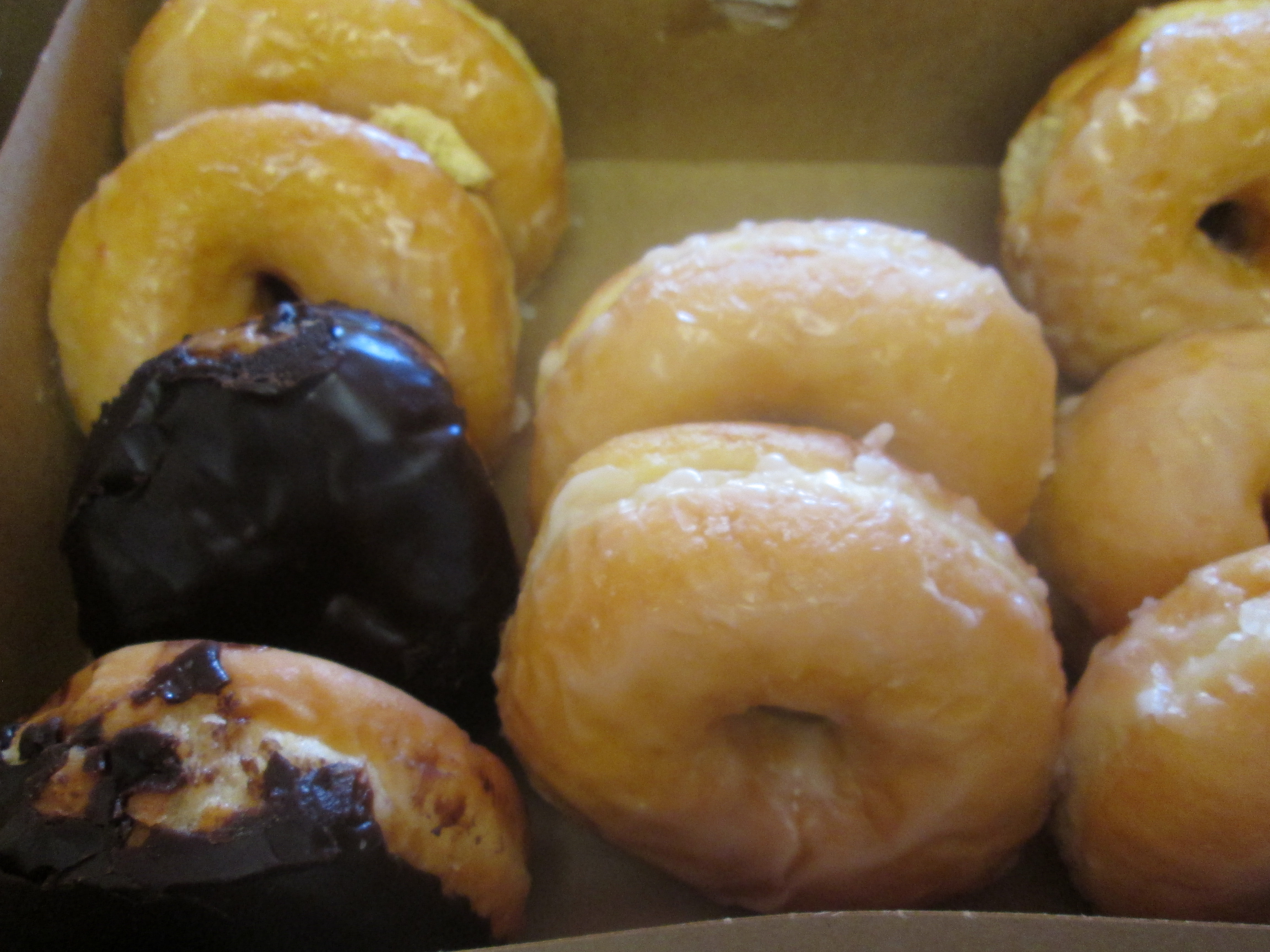
Finally, there is eating out of habit. One of the biggest habits revolving around food is “meal time.” We are not eating because we are hungry, we are eating because its “meal time.” And to complicate things, most of us are trained to finish everything on our plates at these “meal times.”

None of these are eating because we are truly hungry. But the good news is eating with a mindful stomach is as easy as asking yourself, “Am I really hungry right now?” Or to put it another way, really listen to the organ that tells you when you are hungry–your stomach.
If you are hungry, then this is a great time to eat. But continue to consult your stomach. A great way to cut back on the amount of food you eat is a little trick I learned from Paul McKenna in his book, I Can Make You Thin. Here is the trick: Eat very slowly and enjoy your food. After each bite, consult your stomach. If you are still hungry take another bite. If you are not stop eating. Don’t worry not finishing your food because if you are truly hungry in five or ten minutes–eat again!
Do this and see how much you have been eating because of other reasons rather than hunger. And then watch the scale for the results!

 Advanced Weight Loss Resources