In this episode, Ean talks about the importance of keeping a food journal and why not keeping one may be the key to losing those last 10-15 pounds.

In this episode, Ean talks about the importance of keeping a food journal and why not keeping one may be the key to losing those last 10-15 pounds.
Have you ever wondered what the difference is between the Low-carb, Ketogenic, and Paleo diets. Sometimes it is difficult to tell. In fact, when explaining the the various aspects of these diets, these three diets in particular overlap significantly.
This overlap hit home for me when on one occasion a friend of mine was explaining his diet. He was telling me all the foods he could and could not eat. He mentioned that he could meet, fish, veggies, and some fruit. He said he needed to stay away from grains, sugar, and a few other foods.
Upon his explanation, I thought this was simply a low-carb diet. He was trying to control insulin in an attempt to shred some unwanted weight. However, this was not simply a low-carb diet. Later when we were having lunch, I ordered a salad with Ranch dressing. On the salad was some cheese. My friend said that you cannot have ranch dressing or cheese on this diet.
This shocked me. The serving of ranch on my salad had no more than about four carbs. The cheese was probably about a two carb serving. This was not going to effect my blood sugar! This was not going to rise my insulin! So what was the problem?
The problem was that my friend was not simply on a low-carb diet. Nor was he was recommending a low-carb diet per-se. In fact, his diet was more-or-less incidentally low-carb. He was on a Paleo diet. That was when I realized that there was a difference between low-carb and Paleo. Later, I realized that there is also a difference between a Ketogenic diet and these other diets as well.
Another complication in distinguishing between these three diets is the fact that celebrity proponents of these diets run in the same circles. For example Jimmy Moore, Able James, Dave Asprey, Robb Wolf, and others will often speak at the same conferences as well as appear on each other’s podcasts.
So what is the difference and is that difference significant?
What’s the Focus, What’s Incidental?
The difference comes down to two things The first is what is the main focus of these diets. Or to put it another way, what is the driving theory behind their dietary protocol.
Second has to do with what is incidental. In other words, what are the results of the theory and how do those results workout in the dietary protocol.
Before I break this down in each diet, let me say that low-carb and Ketogenic have much more in common in their focus than Paleo. Because of that, I will start with Paleo.
Paleo
The driving force behind Paleo is the idea that the diet of original man is optimal for health. Therefore, there is a strong emphasis on meat, fat, and organic, non- processed food. Original man did not get their food from a factory. They got it from hunting and gathering. Fruit and vegetables could only be eaten in season and therefore sparingly.
According to this view, original men were not farmers so grains and other farming byproducts are not part of this diet.
So, is this diet low-carb and/or ketogenic? Yes, but only incidentally so. In other words, lo- carb and ketoses is not focus but the byproduct. For example, in the winter, original man (in many regions) would not have access to fruit and vegetables. Therefore, they would have eaten meat and fat which would have lowered their insulin and put them in ketoses for a large segment of the year. The focus is eat like original man and as a result you will (at least at times) be in a state of ketoses and have steady blood sugar.
Keto and Low-Carb
Again these two are more closely related because their focus and driving theory are almost identical. Also, their byproducts have much in common. However, that said, they are not completely the same.
The main focus of a Ketogenic diet is to achieve ketoses pure and simple. But in order to achieve ketoses you must eat very, very few carbs which will keep your insulin at bay. Insulin (with exception of carb re-feedings) is the enemy because it will keep you out of ketoses.
In a low-carb diet, insulin is also the enemy not necessarily because it will keep you out of ketoses but because insulin is a hormone that stores fat. You keep this hormone at bay by avoiding high-carbohydrate food.
As a result of this, these diets are both high in fat and moderate in protein and low in sugar and foods that turn to sugar in the body. However, for the most part a Ketogenic diet will slightly put more emphasis on fat than a Low-carb diet. But there is so much similarity that where you find the emphasis really depends on the author you are reading.
Things Get Tricky and Lines Get Blured
Having a diet high in fat, moderate in protein, and low in sugar is where these diets overlap with Paleo. However, it overlaps with Paleo it is not yet incidentally Paleo. These kinds of foods are essential to both the Paleo and Keto communities. Where then do these become incidentally Paleo?
This is where things get a bit complex. Paleo will always overlap with low-carb food and be incidentally ketogenic at times. But Ketogeinic and low-carb diets do not have to be incidentally Paleo. This is due to the fact that being ketogenic and low-carb does not necessitate the belief that “original man’s diet” is optimal. Nor does it necessitate that food must come from an organic source.
To give an example, when I had my salad with ranch and cheese I was being low-carb, and given my overall low-carb count of the day, I was also being ketogenic. However, I was not being Paleo because I was eating that which original man would not have eaten. My friend, on the other hand, who also had a salad but without cheese and cream based dressing was being Paleo as well and low-carb.
So when do Low-carb and Ketogenic diets become incidentally Paleo? The answer comes in what a particular dieter believes about original man and from where he decides to get his food. When a low-carber and/or a ketoer believes that original man had the best diet they have also become Paleo. If a low carber, ketoer decides that they will only eat organic food (for the most part) they have become incidentally Paleo.
Can Someone Be All Three?
The answer to the above question is yes with qualifications. There are many who believe that original man’s diet is the best option for health, who eat only organic food, and also actively try to achieve a state of ketoses. These people often consider themselves both Paleo and Keto (incidently low-carb). And they are correct in a sense. However, one view will often override the other.
For example, there has been much conversation about tubers in the Paleo community. Some believe they are OK to eat and some do not. But let’s say one believes that original man did eat tubers. If this person believes this, but is trying to get into ketoses, he will avoid them. His desire to gain ketoses has dictated his diet.
Concluding Thoughts
As anyone can see, where these diets overlap and where these diets differ from each other is a complex issue. There are many who are Keto friendly, but Paleo in their overall outlook on health and vice-versa. This complexity gives rise to the fact that most people in these communities will share information and speak at each others events and podcasts.
I hope this helped. If it did please share this on your favorite social media as well as leave a comment.

A new episode of A Mind For Fitness Podcast is now available. In this podcast I review Chris Powell’s book Choose to Lose The Seven Day Carb Cycle Solution.
Also, I talk about my experience in a one on one Yoga class!
Most of us do not eat with a mindful stomach. In other words, we do not listen to our stomach when we consider how much food we are going to consume. But if we do not consult our stomach then what do we consult?
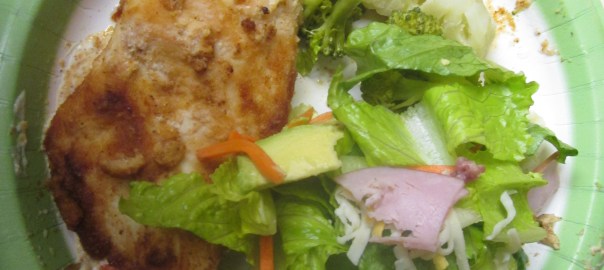
Often we eat with our eyes. By that, I mean the aesthetic appeal of food can entice us to eat even when we are not truly hungry.

Emotional eating is another factor. That is we eat to change our mood. Again, this often has very little to do with whether or not you are hungry.
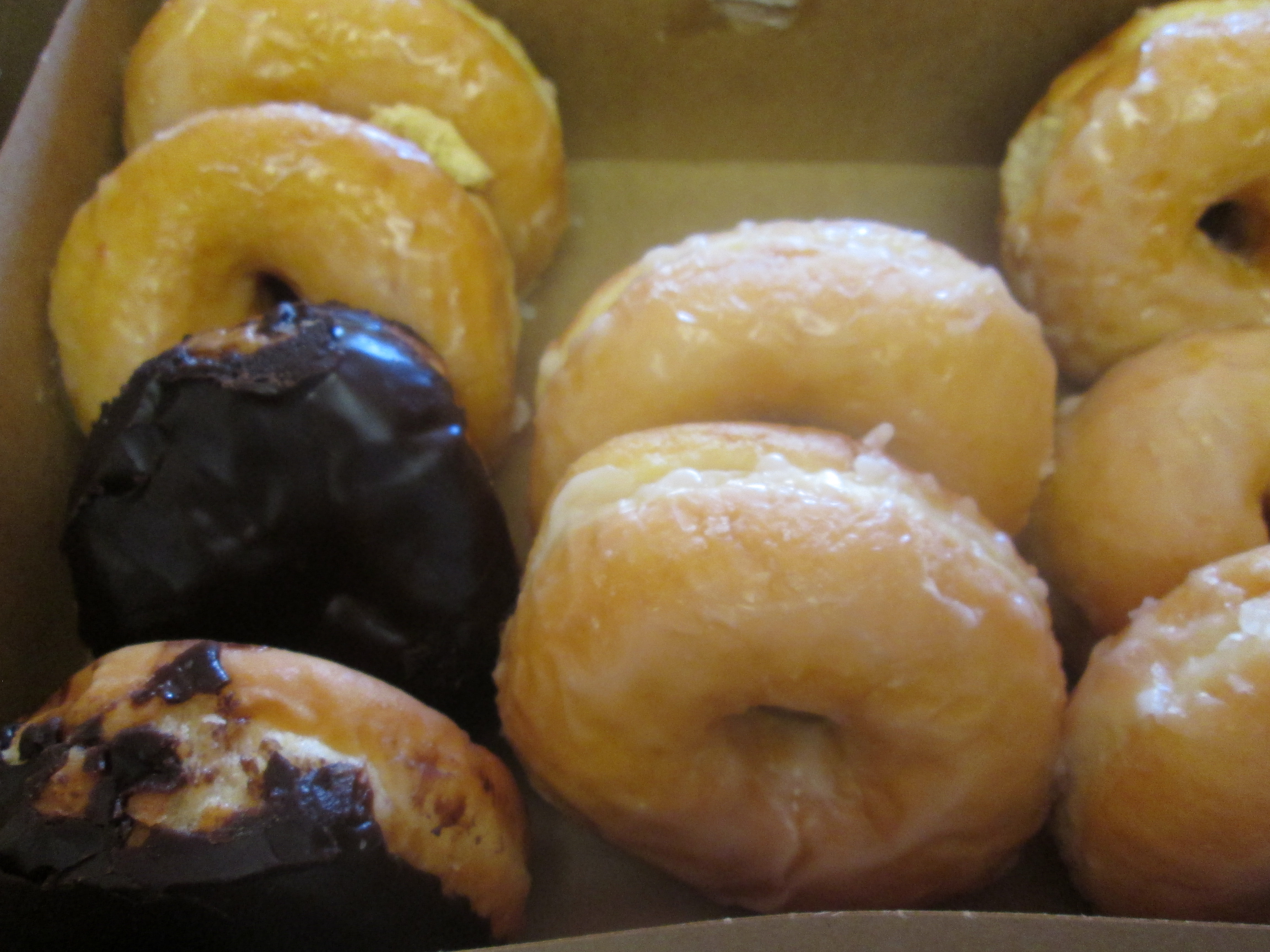
Finally, there is eating out of habit. One of the biggest habits revolving around food is “meal time.” We are not eating because we are hungry, we are eating because its “meal time.” And to complicate things, most of us are trained to finish everything on our plates at these “meal times.”

None of these are eating because we are truly hungry. But the good news is eating with a mindful stomach is as easy as asking yourself, “Am I really hungry right now?” Or to put it another way, really listen to the organ that tells you when you are hungry–your stomach.
If you are hungry, then this is a great time to eat. But continue to consult your stomach. A great way to cut back on the amount of food you eat is a little trick I learned from Paul McKenna in his book, I Can Make You Thin. Here is the trick: Eat very slowly and enjoy your food. After each bite, consult your stomach. If you are still hungry take another bite. If you are not stop eating. Don’t worry not finishing your food because if you are truly hungry in five or ten minutes–eat again!
Do this and see how much you have been eating because of other reasons rather than hunger. And then watch the scale for the results!

Are you a total Gym D-bag? Find out the seven sins d-bags commit and why it annoys people on this episode of A Mind For Fitness

We all know naturally thin people. You know, the kind of person who can eat anything they want and it does not effect their weight in the slightest. I have had many friends like this. While I was trying my hardest to lose weight by staying away from high-carb food, thinner friends would gorge themselves on things like pizza and ice cream.
However, there is some bad news for naturally thin people. While they may not be gaining weight form eating high-carb food, they are still damaging their bodies. Or to put another way: Carbs are not good for skinny people either.
The truth is being overweight is just one sign that you are unhealthy. Skinny people who eat poorly can and more than likely will still suffer from things like high blood pressure, stroke, diabetes, and a whole host of other problems.
Also, later in life, naturally thin people will get fatter. They may never look like those people you see on weight loss TV shows. However, we have all run into thin people with a big pot belly. How did that happen? Too many carbs.
In summary, eating a low-carb diet is not just for overweight people. Healthy eating is for everyone. If you are a naturally thin person, do not fool yourself into thinking you can eat whatever you want. All those carbs will catch up to you eventually.
In this episode, Ean interviews a client who has lost and maintained weight loss for a year!
About six moths ago, I was walking from my office to the front room. On my way, I passed though our kitchen. While in the kitchen, I grabbed a small handful of almonds. I began eating them when it suddenly hit me. I’m not hungry right now; so why am I eating? Upon further reflection I realized that I eat a lot when I’m not hungry. I may chose low-carb, healthy items, but eating when I’m not hungry is just a bad habit.
For many people eating when they are not hungry may be the cause of plateauing. While weight loss is not simply a matter of calories in and calories out, overeating can stall ones progress. This is true even if a person is eating all the right food.
When one is first starting on a low-carb diet, he/she may be able to get away with some overeating. However, after the body has adapted to a low-carbohydrate diet, the extra nutrients from overeating can and often does store in the fat cells.
Often, people do not realize that they are overeating because they do not feel stuffed. I know this was true in my case. I did not feel stuffed by eating low-carb snacks between meals. But the truth is that eating when you are not hungry is a form of over eating.
The remedy for this is to simply give up eating when you are not hungry. No one has to eat out of habit or boredom. In fact eating when you are not hungry may be the one habit keeping you overweight.
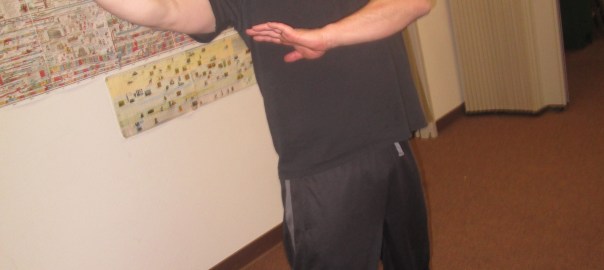
Four reasons why your workout may not be getting you to your heath goals on a Mind For Fitness Podcast

Found this picture of myself at a Martial Arts camp. I was 18 at the time. While, in the picture, I do not think I look extremely fat, I still was not fit. But why? After all, I was working out all the time practicing Martial Arts. So what was the problem?
Wrong Diet
First off, I seriously underestimated the importance of a right diet. is to maintaining. It has been said by people much more wise than I, that 70 percent of weight loss is achieved in the kitchen and 20 percent in the gym.
Working out is often not enough. There is a small segment of our society that can workout and eat anything they want. They are called athletes. But these people often workout for more than eight hours a day.
Also, people who are naturally thin or naturally in shape can maintain a lower percent of body fat by simply working out. However, this only works while they are young. The older these people get, the more they have to watch what they eat.
Not Always a Workout
While Martial Arts can be an awesome workout, often it is not a workout at all. There is a lot of learning involved. A student sits and listens to the teacher. Then there is also practice where you are moving slowly and really not exercising at all.
Too Much Cardio
When you are working out, it is mostly cardio. While there is the occasional push-ups and/or sit ups these kinds of exercises are mostly done as a warm up. The rest of what can be considered a workout is cardio. Cardio is good, but it is not the best way to lose and maintain fat loss.
Repetitive Workout
Another problem was that I was use to the workouts. I have been practicing Martial Arts in some form or another since I was 7 years old, and my body has adjusted long ago to this kind of exercise.
This is a common problem with any workout. If you do the same exercise enough, your body will adjust, and you will stop seeing results. The best way to fix this is to mix it up. Change your workout.
Today
I still love the Martial Arts. I practice regularly. But it is only one component in my healthy lifestyle. I also eat right and have a verity of workouts helping me keep those unwanted pounds away.


 Advanced Weight Loss Resources