Why negative self talk is so damaging to your weight loss goals and what you can do to fix it, next on A Mind For Fitness Podcast!
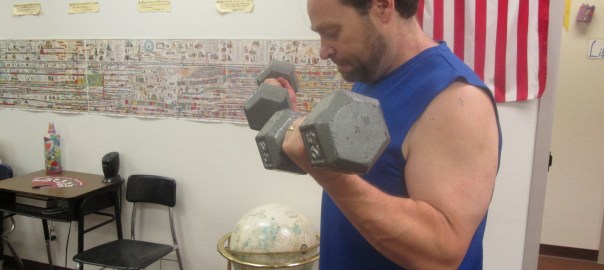
Why negative self talk is so damaging to your weight loss goals and what you can do to fix it, next on A Mind For Fitness Podcast!

In this episode, Ean talks about the importance of keeping a food journal and why not keeping one may be the key to losing those last 10-15 pounds.

One thing that people overlook when they are trying to lose weight is the importance of keeping a food journal. In fact, I highly recommend that if you are serious about losing weight, a food journal is a must. In other words it is not an option! Why is this so important? Why do so many people benefit from writing down what they eat? Here are three reasons:
It Keeps You From Cheating (As Much)

Even the best of us cheat from time to time. I’m not talking about the regularly scheduled cheat meal or carb-nite. I’m taking about those times when you eat something (or a lot of something) you know you shouldn’t. Food journaling can help with this problem.
The objective of a food journal is to write down everything you eat and when you eat it. When you keep track of what you eat in this way, you really have to think twice about what you put in your mouth.
Why is that? Well, One of the reasons we cheat is due to the fact that there is an immediate pleasurable experience. But that is not all. For many people, they do not have to face any negative consequence for their bad behavior right away. They can eat that brownie and not think about it for some time.
However, a food journal provides an immediate negative consequence. It is much like a health coach or an accountability partner that you have to confess to right away. If you had to confess every time you ate something bad for you, and you had to confess it immediately, you most likely would not do it.
Even though no else has to see your food journal, simply having one is still a deterrent for most. The very fact that you have to write your bad behavior down creates an objective reality to the behavior that cannot be ignored. This, in and of itself, is enough of an immediate negative consequence. As a result, it reduces cheating.
It Will Keep You Form Over Eating

Even if you are only eating the right food, the amount of food you eat counts. No, I’m not promoting the calories in calories out myth. But an over abundance of nutrients in your system has to be dealt with. Often your body will eliminate it though waste or store it to fat. Not only this, but there are bad hormonal reactions to stuffing yourself. How much you eat does count. Food journaling helps regulate your overall intake.
The truth is that your overall food intake can get away from you fairly quickly. For example, it’s pretty easy to have four eggs for breakfast instead of two, and a double cheese burger (lettuce wrap, of course) instead of a single; a little more chicken than necessary at dinner, in addition to that bag of almonds you ate for snack. Please do not misunderstand me. All this food is fine if you are really that hungry. However, many people do in fact eat well past satiety.
Overeating becomes more of a problem when you are trying to lose those last 10-15 pounds. At the beginning of your weight-loss journey, simply switching to the right foods will often be enough to lose a significant amount of weight. But if you have stalled out on your progress, the amount of food you eat is often the issue. Food journaling tracks your overall caloric intake. When you write down what you have eaten, you can objectively evaluate what you may need to cut out.
It Keeps You Honest With Yourself
This last point is really a combination of the two points listed above. But it is important to note that when we are not losing weight we expect, it is often due to the fact that we are deceiving ourselves. We lie to ourselves about what we have eaten and how much we have eaten.
The fact of the matter is most people who do not keep a food journal cannot recount with accuracy what they ate. To complicate the matter it’s easy for us to lie to ourselves about these issues. This becomes a big problem when a person is not getting the results they are expecting. Wondering what went wrong or what is going wrong becomes common.
A food journal helps in keeping one from self delusion. After all, there is (or at least there should be) an objective record. This record keeps you honest.
In closing, there is only one question you need to ask yourself: Do you want to lose weight? If you do, then a food journal will tremendous help with your goal.

A new episode of A Mind For Fitness Podcast is now available. In this episode, I discuss going gluten free and one key aspect that is absolutely necessary in order to lose weight.

A new episode of A Mind For Fitness Podcast. In this episode, I talk about the difficulty of braking bad habits and creating new ones and what you can do about it. Enjoy!

A while back, I wrote a post on eating with your stomach. In that post, I talked about the importance of paying attention to how full you are while you are eating to avoid over consumption.
The way you monitor how full you are is by eating slowly. However, when you eat slowly there is also an added benefit–tasting your food. In other words, not only are you able to monitor how full you are, you also get to enjoy your food.
People are often supersized by how quickly they get full when they eat slowly and pay attention to their stomach. Likewise, it is shocking what you actually taste when you eat with the intention of enjoying your food.
What is the reason for the shock? It is due to the fact that often food you think you like turns out to taste gross.
When we eat too fast, not only do we overeat, but often times we only get the rush of salt and/or sugar (and other flavors) over our tongues. Because of this, we often do not recognize it when we do not like something.
This hit home for me some years ago when I decided to eat slowly and enjoy my food. At the time I was following the Paul McKenna diet. I went to one of my favorite restaurant and ordered the stake fries. But instead of gobbling them down I attempted to enjoy every bite. I did not succeed in that attempt. They were horrible. As a result, I have not eaten them since.
On the flip side, there are now many foods that I now enjoy that I did not before. For example, baby carrots are very sweet. By slowing down and enjoying the flavor, eating these items is a great way to curb your sweet tooth.
In closing, I encourage the reader to try it for themselves. You will be supersized and what you do and do not like.
Hey everyone. This is a new episode of A Mind For Fitness Podcast. In this episode I talk about the difference between the Paleo, Keto, and Lowcarb diets. I hope you listen and enjoy.

Think that ordering the vegan dish is helping save the animals? Think again. You will be surprised at how many animals are killed in order to clear the land to grow all those veggies.
I do not normally share articles written by others. But, this is just too good. Enjoy!
http://theconversation.com/ordering-the-vegetarian-meal-theres-more-animal-blood-on-your-hands-4659

A new episode of A Mind For Fitness Podcast is now available. In this podcast I review Chris Powell’s book Choose to Lose The Seven Day Carb Cycle Solution.
Also, I talk about my experience in a one on one Yoga class!
Most of us do not eat with a mindful stomach. In other words, we do not listen to our stomach when we consider how much food we are going to consume. But if we do not consult our stomach then what do we consult?
Often we eat with our eyes. By that, I mean the aesthetic appeal of food can entice us to eat even when we are not truly hungry.

Emotional eating is another factor. That is we eat to change our mood. Again, this often has very little to do with whether or not you are hungry.
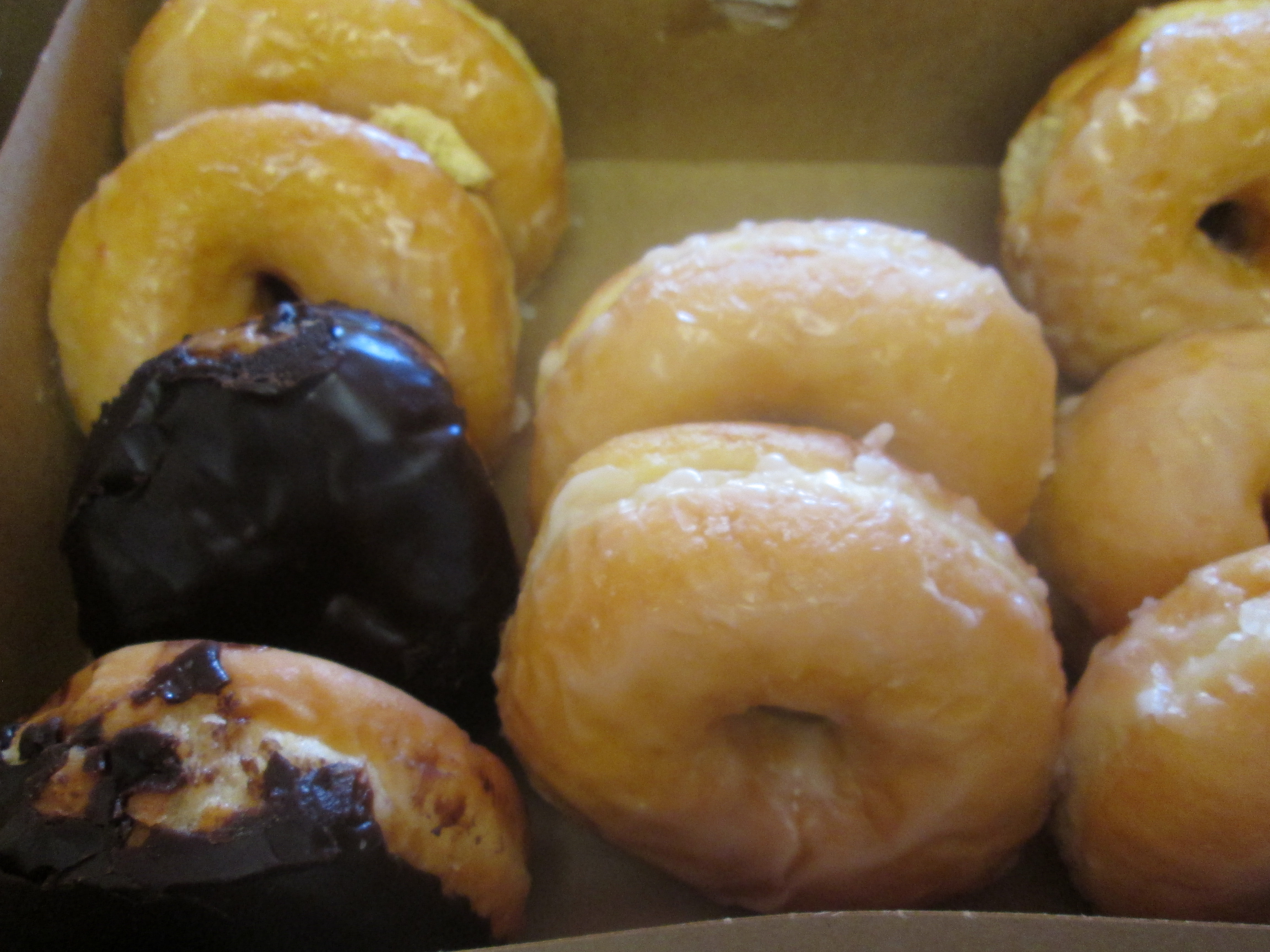
Finally, there is eating out of habit. One of the biggest habits revolving around food is “meal time.” We are not eating because we are hungry, we are eating because its “meal time.” And to complicate things, most of us are trained to finish everything on our plates at these “meal times.”

None of these are eating because we are truly hungry. But the good news is eating with a mindful stomach is as easy as asking yourself, “Am I really hungry right now?” Or to put it another way, really listen to the organ that tells you when you are hungry–your stomach.
If you are hungry, then this is a great time to eat. But continue to consult your stomach. A great way to cut back on the amount of food you eat is a little trick I learned from Paul McKenna in his book, I Can Make You Thin. Here is the trick: Eat very slowly and enjoy your food. After each bite, consult your stomach. If you are still hungry take another bite. If you are not stop eating. Don’t worry not finishing your food because if you are truly hungry in five or ten minutes–eat again!
Do this and see how much you have been eating because of other reasons rather than hunger. And then watch the scale for the results!

 Advanced Weight Loss Resources